
The centenary of the Ol Chiki Script was recently commemorated with a coin and a postage stamp. Read here to know the relevance of the script for Linguistic Identity and Cultural Assertion.
The President of India inaugurated the Centenary Celebration of the Ol Chiki script in New Delhi, commemorating 100 years of its creation.

Organised by the Ministry of Culture, the event marked a significant milestone in the preservation of Santal identity and linguistic heritage. A commemorative coin and postage stamp were released to honour the script’s historic contribution.
The celebration is not merely symbolic; it represents the assertion of linguistic justice, tribal identity, and constitutional recognition.
Ol Chiki script: Historical Background
The Ol Chiki script was invented in 1925 by Pandit Raghunath Murmu, a visionary scholar from Mayurbhanj district of Odisha.
Before its invention:
- The Santhali language was written in Roman, Devanagari, Oriya, or Bengali scripts.
- These scripts failed to capture the phonetic structure of Santhali accurately.
Recognising this gap, Murmu designed Ol Chiki as an indigenous script tailored specifically to the phonology of the Santhali language.
Literary Contributions of Pandit Murmu:
Murmu authored:
- High Serena (1936), the first book in Ol Chiki.
- Bidu-Chandan, reflecting Santhali folklore and cultural ethos.
Through literature, theatre, and social reform, he transformed Ol Chiki into a movement of cultural awakening.
Linguistic Structure and Features
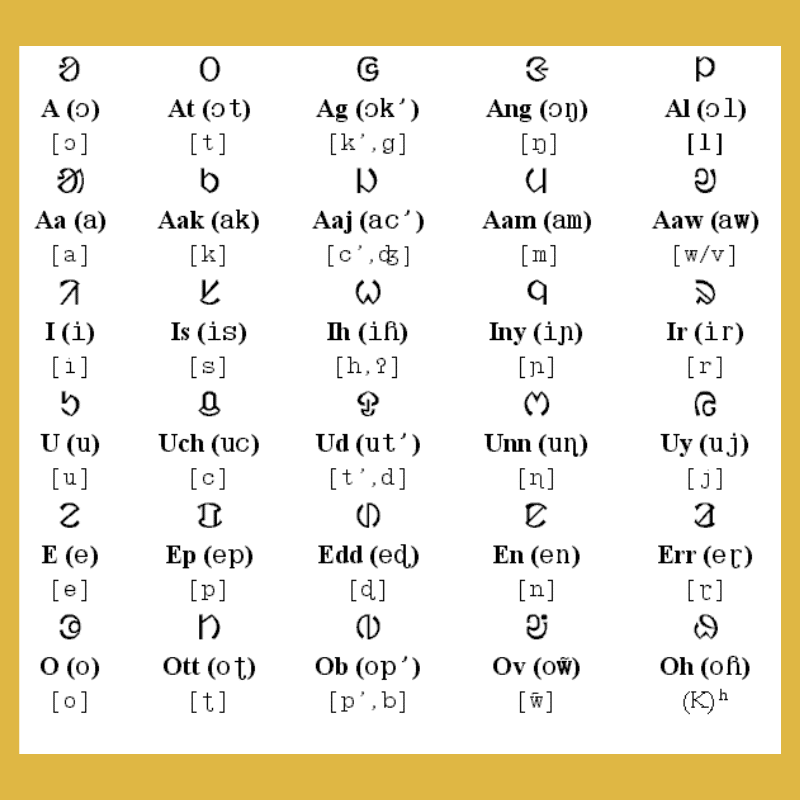
Ol Chiki is a scientifically designed, fully phonetic script.
Key Features:
- Consists of 30 letters.
- Each letter represents a distinct sound.
- Accurately captures glottal stops and specific vowel patterns.
- Designed for clarity and ease of learning.
Language Family:
Santhali belongs to the Austroasiatic (Munda) language family, which is distinct from:
- Indo-Aryan languages (Hindi, Bengali, Odia)
- Dravidian languages (Tamil, Telugu)
This makes Santhali one of India’s oldest linguistic traditions.
Geographic Spread
Ol Chiki is widely used among Santhali-speaking populations across:
- Jharkhand
- Odisha
- West Bengal
- Bihar
- Assam
It serves as a unifying medium for one of India’s largest tribal communities, the Santhals.
The Santhal Rebellion (1855-56), led by Sidhu and Kanhu Murmu, was one of the earliest tribal uprisings against British colonial rule.
This connects Ol Chiki to a broader narrative of resistance and identity assertion.
Constitutional Recognition
A major milestone in the script’s journey came through the 92nd Constitutional Amendment Act, which included Santhali in the Eighth Schedule of the Constitution of India in 2003.
This recognition:
- Elevated Santhali to the status of a scheduled language.
- Enabled its use in competitive examinations.
- Promoted institutional and academic support.
Relevant Constitutional provisions:
- Article 29: Protection of interests of minorities (culture and language)
- Article 350A: Instruction in mother tongue at primary stage
- Article 351: Promotion of Hindi (while respecting other languages)
- Eighth Schedule: Symbol of linguistic equality
Democratic Accessibility: Constitution in Ol Chiki
In December 2025, the Constitution of India was translated into Santhali using the Ol Chiki script, an important step toward linguistic inclusion.
This move:
- Strengthens participatory democracy.
- Makes constitutional values accessible to tribal communities.
- Reinforces cultural dignity and linguistic rights.
It represents a deepening of constitutional morality and inclusive governance.
Cultural and Political Significance
The centenary celebration highlights several broader themes:
- Cultural Revival: Ol Chiki symbolizes resistance to cultural assimilation and the preservation of indigenous identity.
- Linguistic Justice: India’s multilingual framework acknowledges that language is central to dignity, education, and empowerment.
- Tribal Empowerment: Recognition of scripts and languages strengthens the political visibility of Scheduled Tribes.
- National Integration Through Diversity: The celebration aligns with the constitutional principle of unity in diversity.
- Educational implication: Promotion of mother-tongue education improves learning outcomes (as per NEP 2020).
Conclusion
The 100-year journey of the Ol Chiki script reflects more than linguistic innovation; it represents a struggle for recognition, dignity, and cultural continuity.
From its creation by Pandit Raghunath Murmu in 1925 to constitutional inclusion and translation of the Constitution in 2025, Ol Chiki stands as a testament to India’s pluralistic ethos.
The centenary is not just a celebration of a script, it is a celebration of identity, inclusion, and the democratic promise of equal respect for all languages and cultures in India.
Related articles:

IAS/IPS/IFS Smart Preparation Strategy: FREE Mentorship – Register Now!
Aim IAS/IPS/IFS?







Leave a Reply